Every artist needs a little inspiration from time to time, whether it’s due to circumstances or simply because we need a pick-me-up. Sometimes we just don’t feel like doing anything and don’t know where to start. Even though our to-do list is lengthy, it hasn’t done much to rouse us from our deep relaxation. That is why we have listed 5 sources of inspiration for illustrators so that the next time you feel uninspired, you will know where to look for new inspiration. Continue reading to learn more about the sources.
5 Best Resources of Inspiration for Illustrators
When we look for inspiration for illustrators, we naturally gravitate toward the styles and trends we like, and we begin to recognize what works and what doesn’t. Inspiration for illustrators from designers we like or admire provides a road map for what we need to learn. Imitating others’ work also allows us to learn and improve new skills. After all, children learn by imitating those around them. The same can be said for graphic design. So, begin looking for inspiration for illustrators and learning what you like and dislike. Begin to notice which trends may apply to what you see and which designers are doing outstanding work.
1. Local Museums and Art Galleries
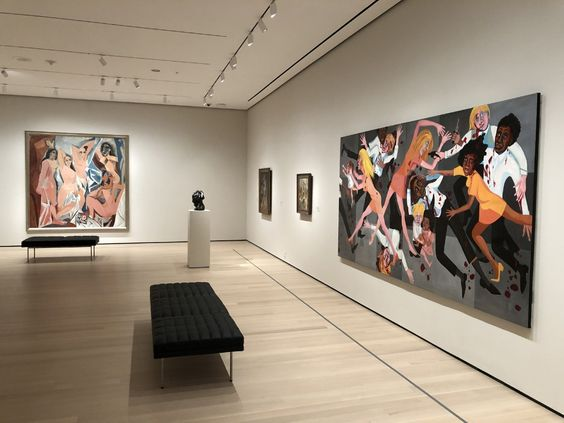
A graphic designer who is always looking for new sources of inspiration for illustrators can find it anywhere, from a piece of graffiti seen from a train to an artist’s signature in the corner of a photograph. For reasons that are implicit in its name, the world of museums and art galleries provides a rich variety of great ideas. It is constantly providing something new, inspiring, and innovative. As a result, contemporary art can have a significant impact on graphic designers in the following five ways:
- It calls into question conventional wisdom.
- It introduces novel approaches to creative design.
- It offers one-of-a-kind sources of inspiration.
- It enables the blending of cultural concepts.
- It enables graphic designers to embrace the most recent art trends.
2. Artbooks
We have a collection of art books that we enjoy, and they never fail to inspire us creatively. We recommend sitting somewhere sunny or cozy and flipping through the pages without any pressure to draw yourself, just admiring the work of other creatives, such as how they’ve used colors together, created an atmosphere, or told a story with their character design.
Character Design Quarterly is a fantastic source of character design inspiration for illustrators, with a wide range of beautiful art styles. Because it’s a magazine, there are numerous editions to collect!
Flora & Fauna is full of lovely nature-inspired designs, and we enjoy looking through it to see all of the different ways to draw plants.
The Art Of DreamWorks Animation contains a massive amount of visual development art from Dreamworks films, so it has a little bit of everything from developed scenes to character sketches.
If you don’t have any art books, check out your local library to see if they have anything you could borrow, or look in the children’s picture book section.
3. Creative and Art Social Platforms
A creative person needs a steady supply of inspiration and nourishment. Bookmark relevant ideas to feed your inspiration engine. Always jot down whatever comes to mind. To be honest, creativity does not happen by chance or by waiting for an idea to strike. It is critical to feed your mind with what interests you to inspire creativity. Select a few designers from well-known creative resource websites (such as DeviantArt, Behance, and Dribble) who truly inspire you to do your best and learn more about their techniques, journey, and personal influences to grab better inspiration for illustrators.
Return to their work regularly, especially if you are feeling creatively depleted. Make time to develop some creative habits to be inspired by these ideas. If you surround yourself with good inspiration, you’ll always have a starting point if you get lost or confused about what to do next. Allow your inspiration to lead you and provide you with goals to strive for. This also implies that you must choose your inspiration with care, as it will reflect on your work.
4. Stock Illustration Sites and Platforms
The most popular and rapidly growing image-based social media platforms, such as illustAC, are stock illustration and vector sites, and they are excellent resources for finding inspiration for illustrators online. They’re jam-packed with beautiful graphics and designs, and they’re easy to navigate and search for. Websites like these are excellent resources for getting ideas for a logo design, a blog graphic, or a color scheme.
I’m not advocating outright stealing. Do not attempt it! If you’re stuck, look at the work of people you admire and draw inspiration for illustrators from your favorite activities. You’ll frequently discover previously unseen paths forward, as well as new techniques that open the door to entirely new ways of working. illustAC is the ideal place to begin your creative journey. There are numerous creative assets there from which to draw inspiration. Don’t forget to make your accounts so you can save and access your favorite graphics.

5. Famous artists’ websites
Take a look at some art accounts on the internet and admire what they’re doing to take some inspiration for illustrators. You never want to imitate another artist, but it’s useful to be aware of what you like about their work, and perhaps you can take one aspect of something they’ve drawn and use it as inspiration for your own. There have been many times when I’ve admired how other artists use color palettes, draw characters, or introduce lighting in their illustrations, and it’s inspired me to learn how to improve those aspects of my illustrations.
5 Practices to Boost Creativity
1. Self-training regularly
Trying out a new skill or method is an excellent way to discover new sources of inspiration. We may need to look outside of the realm of artistic expression for inspiration. If you want to learn a new skill from a specialist, enroll in a course. You could also take a class, join a club, or simply listen to a podcast. In short, if you’re looking for motivation or inspiration for illustrators, changing your perspective on a subject might be all you need.
The great thing about becoming a self-taught graphic designer is that you have access to all of the information you need to learn graphic design. High-quality tutorials and lessons are available to you for free or at a low cost, especially when compared to a college education. But you must understand this. A self-taught graphic designer does not learn to design by magic. You must still study, read, and practice using a variety of resources, ranging from academic books to YouTube videos and online tutorials. A self-taught graphic designer must still learn what other people learn in college.
You can, however, do it at your own pace and without having to spend thousands of dollars. In any case, you can start learning graphic design on your own and then pursue formal design education, particularly in a field of specialization (videogame, information, or product design, for example). So, get yourself a design primer, and some free vector, and pixel software, and start watching some YouTube tutorials.
2. Brainstorm Ideas
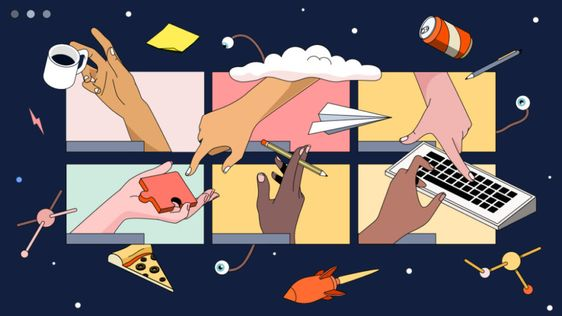
As the name implies, brainstorming is the process of storming a problem with a variety of creative solutions. It’s a technique for sparking creativity and generating ideas. Individuals or teams will typically conduct a brainstorming session at the start of projects to find innovative solutions to current problems, but this technique can be used whenever the need for new ideas arises. While brainstorming is usually done in groups, it is also a great tool for individuals when working on personal goals and projects like deciding what to write about or your next craft project.
3. Think From Different Perspectives
Sometimes you just have to restart to have some inspiration for illustrators. Forget everything and begin anew with a blank slate – break it down using six different colored “thinking hats”. Using this process may help you see things in a new light. It allows you to look at things from different perspectives, such as “just the facts” (white hat), where things could go wrong (black hat), and possibilities, alternatives, and new ideas (green hat). Looking at a problem from various angles may be just what you need to find a solution.

4. Try New Things
If you’re looking for design inspiration, sometimes the best thing to do is step away from the sketchbook or tablet and do something new and creative. You could do any craft you want, but I enjoy baking because it is hands-on, you can make something colorful and messy, and then you get to eat it! It’s also a lot of fun to let go of all your creative expectations and do some loose, messy, experimental art on scrap paper that you don’t care about, removing all the pressure of drawing a finished illustration in that nice sketchbook you have.
Get out some traditional art supplies, such as paints and pens, and scribble them on paper in loose forms. Paints are great because if you don’t try to control them, they’ll take on a life of their own and go wherever they want, so use them first to lay down a base layer and then come back in with marker pens to layer in some finer lines, still trying to be loose and think as little as possible.
The only things you should think about controlling are the color scheme and the tonal contrast, making sure you have some light and dark bits. Generally, try to follow the form and direction of the paint to guide marks. This activity will be so much fun for you, and you’ll always feel so inspired afterward.
5. Healthy Diets and Frequent Workouts
Exercise, believe it or not, can do wonders for getting your creative juices flowing. We become vulnerable to one set of thought patterns if we are too sedentary and never try to break free from those constraints. According to a study published by the National Institutes of Health, exercise is an effective way to combat mental fog and fatigue, noting that “physical activity is associated with improved affective experience and enhanced cognitive processing.”