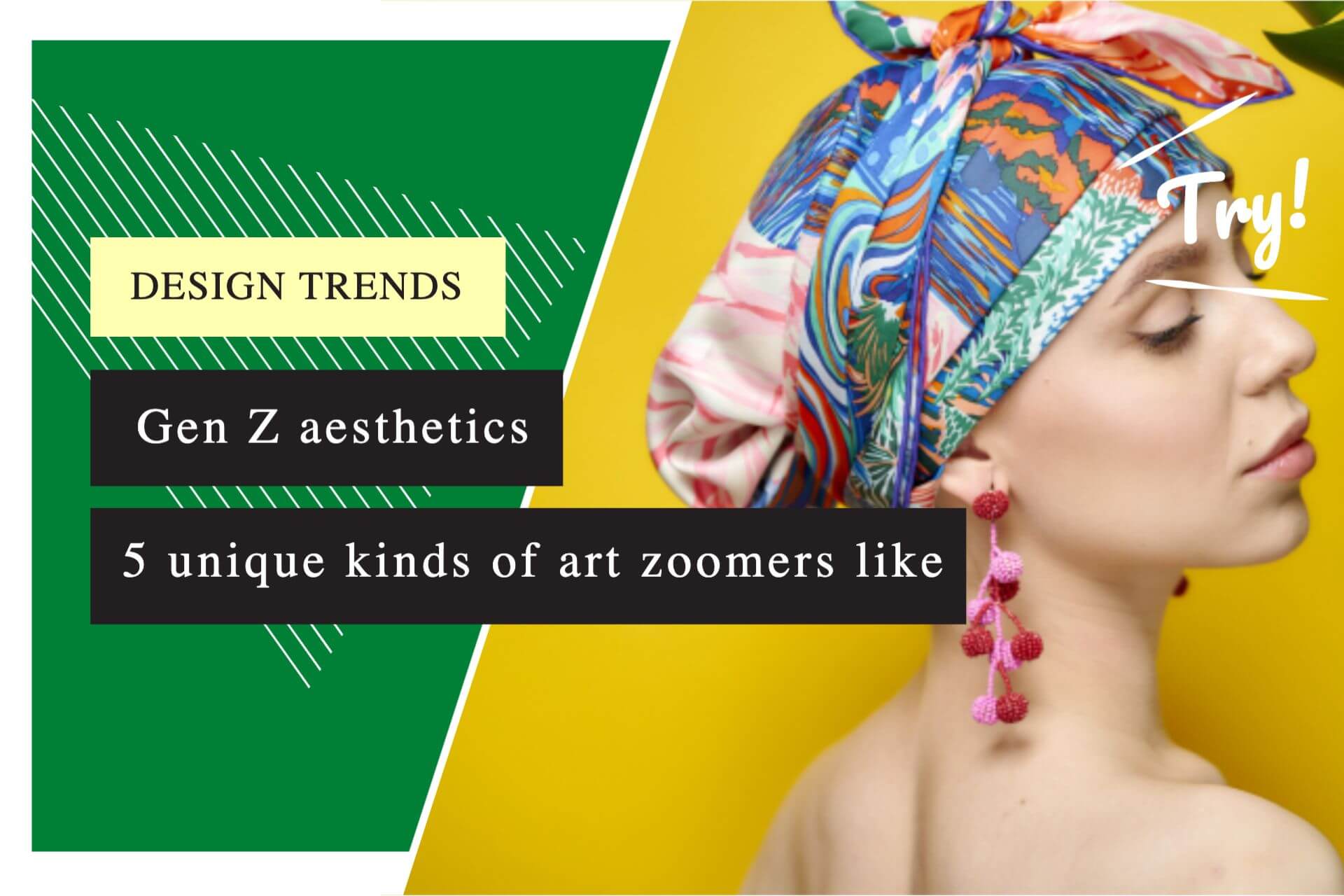
Generation Z is known as the future community in our society today. They’ve started working and will probably keep upsetting the established order. This group is incredibly amazing and has the willpower to make a difference and bring out change. Their lives are seamlessly integrated with technology, and they are open to transparent, useful digital items that also fit into their lives naturally. During their early years, each generation has shared experiences that assist to develop Gen Z aesthetics. When it comes to technology, these values in turn affect motivations, preferences, and expectations. Understanding these values might provide you with information to take into consideration as you design products for the Gen Z aesthetics.
1. Basics about Gen Z and Gen Z aesthetics
Gen Z, a.k.a Zoomers, are those who were born between 1997 and 2012. They are in the stage of life known as self-discovery, just like the generations before them. Gen Z parents have been negotiating the advent of technology, social media, and online privacy issues since their children were little; for Gen Z, finding their actual selves is not an easy feat.
Gen Z has demonstrated that they are an awakened generation that wants to change the world. Gen Z has been able to move past the age of Millennial armchair activism thanks to their intuitive knowledge of the power of social media and their constant consumption of news and information—often as it happens. Gen Z boldly puts experiences above things when handling life in the modern world.
2. Gen Z’s Psychology
Gen Z was raised in a technologically advanced environment and makes confident decisions about how to live in the modern world. Instead of adopting the controlled Instagram feed of Millennials, Gen Z presents their followers with a more spontaneous aesthetic and genuine presence that blurs the lines between their online and offline lives. They value independent artists and creative honesty, values exhibited by the numerous influences they subscribe to (and want to be).
They are speaking up and influencing national dialogues about everything from politics to pop culture through their internet impact. They can learn practically anything with the technology at their disposal, which opens the door to content production and early business. They are forgoing college to enter the “real world” right away. Gen Z aesthetics, as a result, is truly unique and somehow different from what their previous generations can imagine.
3. Understand Gen Z Aesthetics
A designer must first comprehend the psychology of any audience to create engaging designs for Gen Z since they will be the current and future main audiences of most products and services. Recently, Bailey Hancox, a researcher, and designer at Designworks did a thorough investigation into Zoomers’ thinking and what sets them apart from other generations in terms of aesthetics. Hancox claims that Generation Z is the first generation to have been raised in a society where technology has been so deeply interwoven in daily life affecting their perception of art.
They have no experience with a world without computers, smartphones, and gaming consoles. Zoomers look for solutions on their own and are fully capable of achieving them independently, in contrast to Millennials who visit the Genius Bar. Designers can change how they approach art with this in mind. Because zoommers have such a high level of self-direction and purpose, marketers may use designs to help this generation become their best selves.
With this knowledge in mind, we’ve outlined important factors to take into account when building digital goods for Gen Z aesthetics.
Amped-up Nostalgia
Zoomers love to reflect on the past in art. This generation is predisposed to nostalgia since they grew up in an internet environment where every trend from any era is instantly accessible and social media platforms provide an endless stream of recollections. More than just internet excitement and being a digital native define Gen Z aesthetics. Hype culture, or the hunt for the next great thing, is frequently related to their desire for connected experiences.
Brands with devoted followings already have a well-established method for leveraging that desire to grow their popularity. Gen Z consumers expect brands to be open, sincere, and honest. This can be expressed by leaning on nostalgia, and nothing surpasses the physical experience of conjuring up memories. Brands who have the foresight to think beyond seasonal product releases and instead bring nostalgia to real settings can engage with the Gen Z aesthetics on a deeper level.
For brands, this broader, multimodal version of nostalgia is a potent approach to honor their history. Because it is a natural human instinct to reflect on the past, nostalgia will ultimately be a part of marketing strategies both online and offline. Brands must become more aspirational yet understated to use them most successfully. more genuine but culturally astute. Most importantly, businesses must thoroughly understand their target audience; otherwise, that audience will begin to turn elsewhere.
Hyper-Visuality
Generation Z is quite sensitive to noise and, well, crap. They will disregard your brand if you are trying to be too clever, too dependent, or too intrusive with the Gen Z aesthetics. You can cut through the clutter and provide them with the information they need most simply by using visual communication. Color is a Gen Z obsession. Bright, vibrant surprises have the power to capture and hold their attention. Everything is acceptable when creating for this age range. Accept fashion trends like blended patterns and neon gradients in the gen z aesthetics.
Experiment boldly with novel color schemes and surprising pairings of texture and tone. If anything grabs your attention and makes you look twice, Gen Z will experience the same. Gen Z aesthetics yearns for security, comfort, and familiarity. You can communicate that in everything from your product packaging to your Facebook profile photo if you have a strong visual identity. Your brand is represented in every piece of content you create. If it is, you can develop a dependable, consistent brand, which will provide Gen Z with a lot of comforts.
The Metaverse
The much-hyped term “Metaverse” refers to what is thought to be the next stage of the internet’s evolution, and it is frequently brought up by tech CEOs like Mark Zuckerberg and Elon Musk. These virtual worlds will be organized around virtual and augmented reality and consist of a network of interconnected worlds where social interaction is the main driving force. Although games like Fortnite allow you to engage with a portion of the Metaverse right now, it is still unclear how the Metaverse will develop entirely in the future.


What relevance does this essentially abstract concept have to design for Generation Z aesthetic then? The generation that both creates and inhabits the Metaverse will be this one. A whole culture of 3D games, avatars, digital artwork, virtual illustrations, and other designs that are related to the Metaverse exists, and there is a sense of growing anticipation for this next phase of the internet. For many members of Generation Z, avatars now play a fundamental role in defining Gen Z aesthetics regarding who they are.
Designs using avatar-like figures or cartoonish graphics will draw the attention of the Metaverse’s ravenous eyes. Game-like elements, such as exaggerated features, costumes, or cutesy aesthetics, can be added to photography and graphics. The concept of Gen Z aesthetics and what Zoomers regard to be art is constantly evolving as a result of the expanding NFT business. Pop Art in this generation is represented by digital art that makes references to memes, cartoons, and popular culture.
This has implications for designers since it means that pictures that were formerly seen as amusing online fillers are now an important component of creative culture. Avatars can occasionally take the role of human individuals in advertisements and designs by brands that use NFT-inspired imagery. Fashion companies already profit greatly from this. Users must pay to outfit avatars in the designer clothing of expensive brands like Louis Vuitton, Gucci, and Balenciaga. Avatars are sometimes used in commercial efforts.
Inclusivity, Fluidity, and Activism
The focus of Generation Z is dismantling barriers with Gen Z aesthetics. You might have joined particular organizations in earlier generations and embraced a unique identity. The social transformation has been pushed for by this generation. Since the 1960s counterculture, they are the generation that is most focused on activism. These previous social groups have been entirely shattered by Generation Z, who instead have fluid identities. A Gen Z person might respond, “I’m a musician, a skateboarder, a photographer, a digital designer, an environmentalist, and I’m pre-med.”
As you design with consideration for Gen Z aesthetics, keep this mobility in mind. No longer valid are traditional distinctions like blue for boys and pink for girls. This means that advertising should feel sensitive to themes like feminism, racism, gender fluidity, and equality, according to designers. Designers must keep the content of communications (as well as aesthetics) at the forefront of the creative process because Gen Z is wary of brands that are out of touch, even in the smallest of ways.
Designs that emphasize fluidity and inclusivity will capture Gen Z viewers’ interest for a longer period. Additionally, when focusing on these themes, it is beneficial if the designs feel sincere, honest, and individual.
Gen Z viewers will be immediately turned off if, for example, a corporate campaign adopts an inclusive design to simply “check the box.” The likelihood of success is significantly increased if this is communicated more intimately, for as by an endorsement from an influential person.

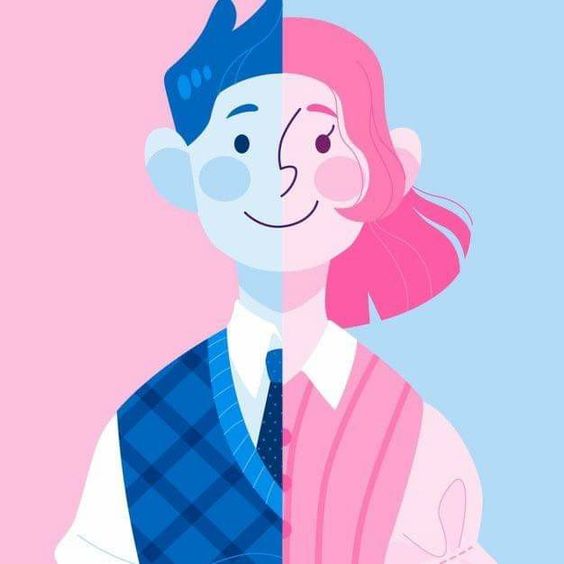
(images source is Pinterest)
Gothcore
The return of goth and emo design is a trend among Gen Z aesthetics that is still growing. This is a response to the perfectly polished Instagram feed. Gothcore is an aesthetic that combines elements of metalcore with the themes and traits of the goth aesthetic. Hardcore punk and gothic rock (or metal) are combined to create gothcore (or metalcore).
Typical metalcore vocals, metalcore guitar structure with breakdowns, tribal and blast beats in the drumming, gothic rock/post-punk-inspired clean vocals, and gothic rock-inspired synth lines may all be included in a band’s sound. Goth and metalcore styles are combined to create gothcore fashion. Goth, but make it modern. Gothcore was predicted to become a new fad in 2022 thanks to several famous people, including Megan Fox, Kim Kardashian, and Olivia Rodrigo.
The darker feelings of a generation coming of age in a world that is changing quickly are being tapped upon by the neo-gothic style. This style approach is being pioneered by goth fashion in popular culture, with influencers’ and actors’ clothing in an edgy combination of black leather, lace, and heavy eyeliner. Blackletter typefaces, dark photography, and images influenced by alternative religions and spiritualist practices, like witchcraft, Ouija, and tarot can help designers create Gothcore-inspired advertisements for Gen Z.



4. Where to Find Inspiration
Design inspiration can take many different forms. It makes no difference if you’re a graphic designer working on your client’s newest Gen Z product or an illustration creating a gorgeous magazine cover. You can always get original and innovative ideas for your tasks with the correct kind of motivation. But sometimes you require assistance in finding inspiration. Fortunately, there is a tonne of excellent sites available for design ideas.
Traveling
You encounter new cultures, people, and experiences when you travel. It makes sense that expert designers would also find inspiration from it. You can step outside your comfort zone and discover new opportunities for your creative endeavors by immersing yourself in a foreign locale.
Instagram can be used for more than just showing off your brunch or the drink you had the other night. It’s also a fantastic place to find design ideas. You can develop your private collection on Instagram by creating your account, or you can simply follow your favorite designers to get inspiration.
There is no end to Pinterest’s richness. It serves as a daily resource for finding amazingly original designs, art, photography, and references during the research phase of a project. It can lead down a deep rabbit hole. It’s a great method to make a mood board, too.

Conclusion
These concepts can help you understand the subtlety required while creating designs for Gen Z. You may considerably increase the market potential for your app by taking into account Gen z aesthetics, desires, and preferences when creating a product. Many digital resources could serve as solutions while designing for Zoomers such as diverse illustrations, drawings of black lives matter, LGBTQ+, etc. It is best to design in their language, which is rapid and unpredictable. Quickly shifting visuals, brief movies, a clear focal point, and lively color schemes. Traditional design cues and symbols must be avoided at all costs.