
Every outstanding feature has qualities that make them stand out, and among these qualities include logos, shapes, patterns, and colors. All of these are features that make up the visual identity of the brand, and it’s basically the strategy that the brand uses in expressing itself in a global space.
Visual identity is used to enhance the connection between customers and businesses. However, there’s so much to understand about visual identity, and it’s not limited to the colors and shapes alone. Every visual identity has a deeply rooted meaning that is aimed at reinforcing the main purpose and vision of the company.
This article will take you through some of the main things you should know about visual and brand identity and brand image and tips to help you develop and strengthen your visual identity. Continue reading to find out more.
What is Visual Identity
As the name suggests, this is what every other person sees, and it makes up a brand and means for customers to connect with your brand. There are many features that make the visual identity, and they include typeface, patterns, images, shapes, and colors. Each of these features all comes together to form a system that communicates your brand values.
With time, your brand eventually connects with each of the visual aspects you include, and the ultimate goal is to further reinforce your values and mission. Basically, it is the language that speaks your brand fluently.
Importance of Visual Identity
Visual identity is one of the key aspects for every brand, and here are some of the importance of visual identity:
- Unites Brand’s Visuals: Irrespective of where your brand goes, it will help unite your brand’s visuals. You can’t fully control all the places that your brand goes to, and some of these places include social media posts, billboards, and newspaper advertisements. Basically, it has a level of unity that helps connect people to your brand message.
- Set You Apart from Competitors: Visual is vital because it makes it easier for customers to remember what you do and who you are. The colors, logos, and shapes you select eventually become associated with your brand. It eventually becomes what customers will use to recall the products and services that you offer.
- Communicates Company Core Values: One way to make the public view your brand as an authority is with your visual identity. With a well-planned visual, you can easily allow your customers to understand your core values.
- Give Your Business Personality: Even though your company is not a breathing and living being, it has its own personality. One way to communicate your brand’s personality is with your visual identity. Your visual identity will tell whether your brand is playful, authoritative, friendly, or serious. It will also help to reinforce your company values.
- Builds Customer Loyalty: Another importance of visual identity is that it enhances your relationship with your customer and further builds trust and loyalty with them. This will ultimately help to retain your customers over time.
Difference Between Visual Identity and Brand Identity
With everything mentioned above, you might start to wonder if there are any differences between brand identity and visual identity. Basically, brand identity covers everything that relates to your brand, both in and out.
On the other hand, brand identity covers the total brand experience of your business. This also includes the different emotions your brand evokes and the experience customers get with each interaction they have with your brand. Brand identity also includes nonvisual aspects like blogs, website copy, brand statement, and mission statement, as well as brand values. Visual identity helps in uplifting and reinforce your brand identity.
Element of Visual Identity
People get to see different parts of your brand, and this can be broken into different categories, each of which has its distinct roles to play, especially when it comes to enforcing the brand’s image.
The different elements of visual identity include the following:
Logo
This is the most recognizable part of your brand identity, and it basically represents your brand image in many ways. Some of the common applications of the logo include business cards, products, packaging, and social media platforms. It’s always advisable to carefully choose your logo because it’s a feature that helps to build awareness and brand recognition.

Color Palette
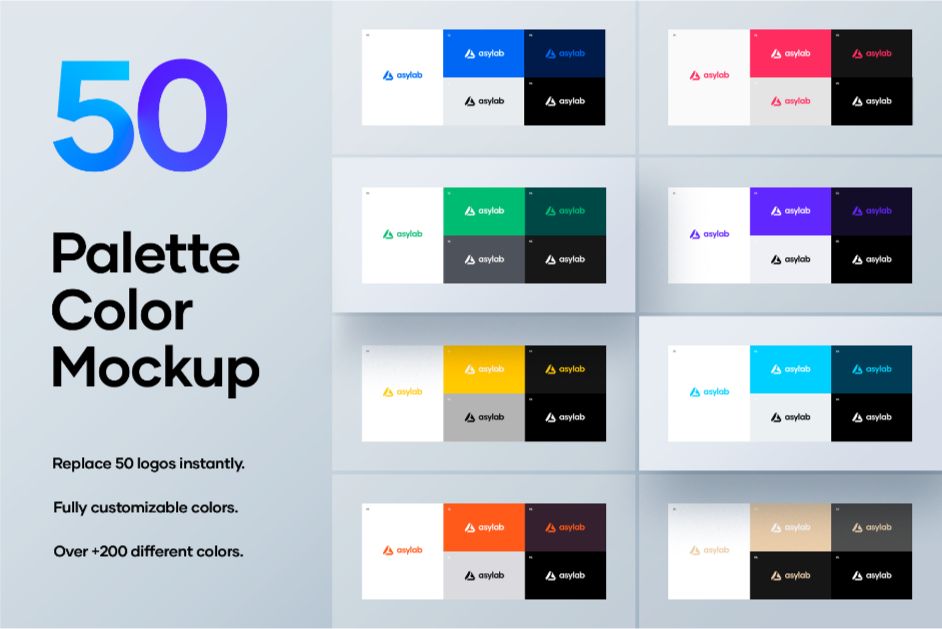
Another key feature is your color palette, and this is a factor that helps in unifying every other element of your visual identity. It’s important to understand color psychology when choosing your colors. Every color has a meaning, which is why you should understand color psychology. When selecting color palettes, you also need to understand four key principles: analogous, monochromatic, triadic, and complimentary.
Typeface
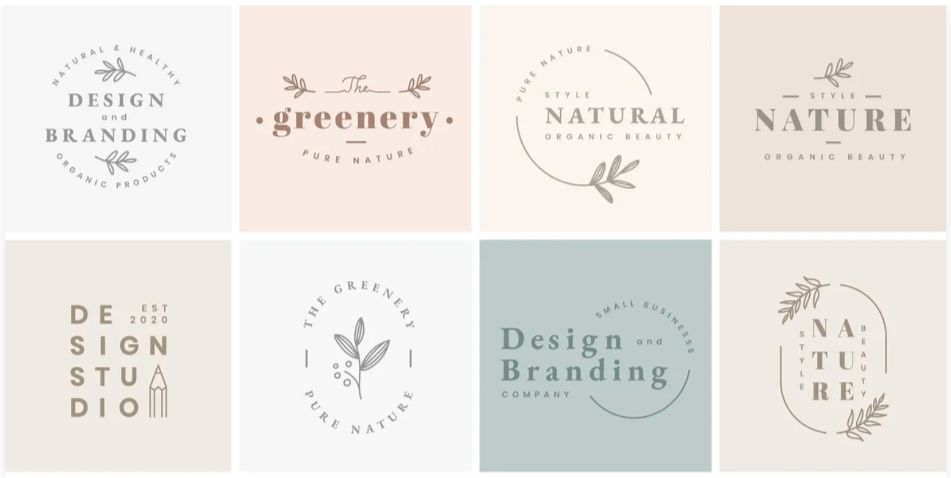
Typeface is also an element of visual identity, and it’s also known as the font. This element also has a role to play in terms of improving brand identity. Even though you might want to think it’s a factor that’s not easily noticed, the typeface you use is a factor that you shouldn’t overlook or ignore.
Shapes
There are different shapes to choose from, and these shapes depend on the core values of your brand. Some of the options you might want to consider choosing to include circles, rectangles, lines, and triangles. Logo shape can also influence your customer perceptions.
Physical Brand Assets
These are material objects that add value to your visual and brand identity. However, it’s important to note that businesses that don’t have a physical presence cannot enjoy the benefits of this visual element. Despite that, it’s still an important element to pay attention to, especially for your physical products.
Imagery and Graphics
You can also reinforce your visual identity through imagery. With this element, you can conveniently set the right emotion and convey the right message. Whether it’s video content, product images, or photographs, you can use these elements to enhance your brand personality.
Graphics are like imagery, but they are mostly drawing and other elements that help to reinforce visual and brand identity across different mediums. Graphics can be used in different ways, and they can be GIFs, animations, or even line drawings that companies use.
If you’re looking for where you can get all the graphics and imagery that your business needs, consider checking illustAC now. Here you’ll find different illustrations that you can use to enhance your visual and brand identity.
In-Store Experience
The last element you should know is the in-store experience that your customers get whenever they interact with your business. In-store experience is basically an extension of your business identity. Basically, it includes uniforms, fixtures, signage, and other key elements that your customers interact with daily
7 Tips to Create a Strong Brand Visual Identity
Now that you have an idea of the basic things about visual identity, it’s time to go through the key ways to build a strong visual identity for your brand. Before that, it’s vital that you understand certain principles to enhance the choices you make.
We have outlined 7 tips that will help you build a powerful, memorable, and effective visual identity to attract new customers and also retain your old customers.
1. Prioritize the Purpose of your Brand
Visuals always come after developing the brand identity. Remember that the visual elements are aimed at conveying your brand’s vision and purpose. Do not tweak your brand identity to match the feel and look that you want. What you should do is to always consider your brand identity when making decisions that affect your visual identity.
Here are some examples to guide you further:
- A company that appears inviting and warm might want to use an orange or yellow circle
- If the company wants to appear powerful, then using black and bold vertical lines is a better option
2. Research Your Competitors
As you start the journey of building your visual identity, you’ll also need to pay attention to what other companies do. The goal is to be able to stand out and set yourself apart from what they are doing. Also, by going through other companies, you’ll be able to understand the reasons why they use certain elements.
3. Research Your Audience
It doesn’t stop at monitoring your competitors. You also need to be able to monitor your audience and potential customers. The goal is to create something that will meet the needs of your customers. Are you wondering how you can research your audience? For this, you only need to use market surveying and research. This is a great way to also a great way to communicate your brand identity to your audience.
4. Keep it Simple
All the different elements that we have highlighted earlier might seem rather difficult for you to handle. However, they will help to streamline everything for you in the long run. With that said, the best thing to do is to ensure that you keep all of the elements as simple as possible. Simpler designs are a lot easier to understand, unlike complex ones.
5. Stay Consistent
Consistency is key in everything you do, and it’s a great way to guarantee business success. Basically, consistency affects the images, shapes, fonts, and colors that you use in your design. To enforce this, it’s important that your brand has a direction it follows, and you should also ensure that you follow this direction so that you can effectively communicate your brand’s message.
6. Consider the Visual Elements you Use
Each of the visual elements that you use has a key role to play in the overall brand image design, which is why you should place the same level of significance on each of these elements. In addition to considering each element equally, you should also consider your audience as well and ensure that you use the elements in a manner that benefits your audience.
7. Use a Style Guide
Every department in your company has a role to play, especially in promoting your brand identity. One of the ways to make things a lot easier for everyone is to adopt using a style guide. This is also a great way to ensure that everyone is on the same page with the activities going on in the company and also for flawless implementation.
A style guide contains all the information needed for the implementation of your visual and brand identity. It also contains all the visual elements of the business, which makes it easier for anyone to follow.
Conclusion
Graphic design basically includes a process that covers using different brand elements to create an identity for your business. There are so many ways to apply the different visual elements, and among these include logo and brand assets, business and advertising, and web and digital design. In this article, we have covered the different visual elements you should know.
We have provided key tips to guide you through developing your own visual and brand identity. Now it’s time for you to apply all the all the different tips we have provided. With visuals, you can easily bring your brand to life and also build more connections with your target audience.
There are also tools that you can utilize when applying the tips above, and among these includes using illustAC for all the imagery and graphics that you’ll need. On this platform, you can find different illustrations and vectors that you can use according to your preference. Also, these illustrations and vectors are grouped into different categories, which further makes things easier.