
Emphasis is a strategy that is widely applied in design with the aim of winning the attention of viewers to the different design elements. This could be an image, button, link, or any other area of the content. Emphasis is widely used in many design fields today, and this also includes fashion design, landscape design, architecture, and more.
Basically, emphasis is all around us, and you might not even realize this. In this article, we’ll go deeper into the emphasis principle of design, and supply all the basic information that you should know about this concept, so continue reading to find out more.
What Does Emphasis in Design Mean?
As mentioned earlier emphasis principle of design is used in describing strategies that attracts the attention of people to key parts of a design, or any other visual composition. You might have seen some designs in which there are drawings on certain parts. This is an application of the emphasis principle of design.
That part of the design that got your attention had more emphasis applied to it compared to the other parts of the design. In most cases, artists and designers tend to apply the emphasis principle of design to their work with the aim of creating more importance to the features they apply it to. Another important thing to keep in mind is that emphasis is basically a part of the principles of design and art.
Basically, the emphasis principle of design highlights the focal point of a design. That brings us to what is a focal point. The focal point is that part that viewers focus on immediately after they look at a design. It’s usually the first part they look at and constitute an integral part of the design. The focal point serves to draw the attention of viewers to the design.

How to Apply Emphasis Principle of Design
There are many ways to apply the emphasis principle of design, but it’s generally best to apply the principles when used in unison with other concepts. Here are some ways that you can apply emphasis principles of design:
Emphasis by Contrast
One way to apply the emphasis principle of design is by using contrasts between objects and elements. Doing this creates some forms of disruption in the design, and the ultimate goal is to make the visuals appear a lot more important.
The different forms of contrasts that you should consider using include type contrast, shape contrast, and scale contrasts.

Emphasis by Scale & Proportion
Another way to apply the emphasis principle of design is via scale and proportion. This approach basically highlights larger objects with respect to smaller objects. The idea is to make more important features a lot bigger than the less important features
Emphasis by White Space
The use of white spaces is also a strategy to apply the emphasis principle of design. With this approach, you can use large white space or negative space to surround or highlight an object.

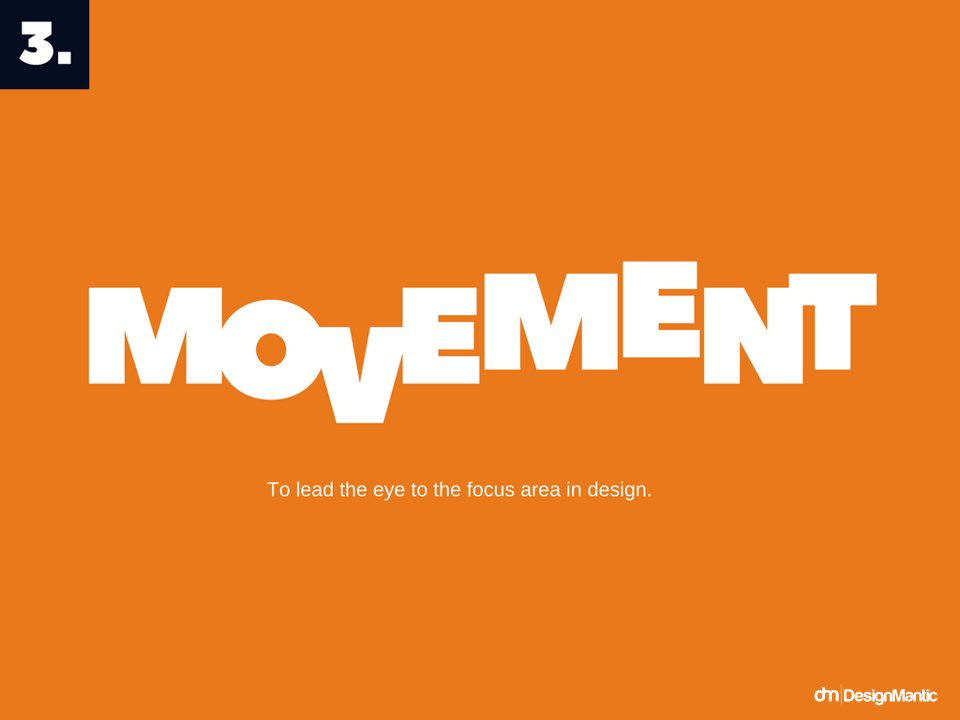
Emphasis by Movement
This approach comes in handy in cases where you’ll need to place emphasis on small objects. Even though one may want to focus on the larger object, emphasis by movement create a pattern that allows them to switch their focus to the smaller object.
These are some of the most common ways that you can apply emphasis principle of design. There are many places where you can draw inspiration from to help you conveniently apply the principles, and we’ll look at some of the objects in this article.
The key thing to always have in mind is that the emphasis principle of design is widely used in enhancing the focus of individuals to areas where you want their focus to be on. Once you have decided where you want their focus, you can then surround the focal point with other design elements.
How to Create Emphasis in Design
In addition to knowing the various ways to apply the emphasis principle of design, it’s important to also know how to create emphasis in design. Here are a few ways to achieve this:
1. Lines
A common thing with most designers involves the use of a linear flow to determine the direction of their design. A change in direction or flow makes it easier for users to identify new focal points in the design. In a case where you use horizontal lines in your design, you can create a break in the pattern by using vertical lines. This will make it easier for your design to stand out and also draw the attention of your viewers.
2. Shapes
If you mostly use similar shapes on your design or page, you can change the transitioning of things by using a completely different shape in your design. Doing this will quickly draw the attention of your viewers. The eyes are always quick to find new trends and different designs. Therefore, one way to create an emphasis principle of design is by option for the use of different shapes on your design.
3. Colors
This is another impressive way to draw the attention of your viewers to the focal point of your design. It’s a lot easier to create a focal point with colors. When using colors, you might want to keep it contrasting because when it is more contrasting, it will quickly and easily draw the attention of your viewers. With softer contrast, you can draw the attention of your viewers from one area to the other area of your design.
When choosing a color, it’s important to ensure that it’s what you users will find attractive enough. You can choose either dramatic or loud color, depending on the type of design. Softer colors are also a nice choice to go for, and they are perfect for calmer information.
4. Textures
Another option that you should consider trying is to use texture in your design, and this is by drawing out the elements of the design. You can use an effect like an embossed effect to place more emphasis on certain areas within the text. Alternatively, you can use a drop shadow to make an area of the design to appear unique.
5. Mass
One way to create emphasis principle of design is by expressing heaviness, and you can use colors to achieve this. This can be by using dark-colored elements to make a page appear bright or using a dark color so that you can make other elements to rest on the background.
Principles that Facilitate Emphasis
In addition to knowing how to create emphasis principle of design, it’s also important to understand the key principles to facilitate the concept even more.
Here are some of these principles that you should know:
Balance
Using symmetry or balance offers equal weight to the elements in your design is important, but you can also draw more attention by altering the balance of your design with an asymmetric arrangement. Doing this will help in drawing the attention of your viewers to the areas with imbalance in your design. As a designer, you can easily explore this area of imbalance.
Proximity
By convention, people tend to view near objects as if they are a single group. With proximity, you can isolate an element to draw the attention of viewers. This is a way of creating a spotlight around that element to make it different.
Alignment
You can create a flow by aligning the elements of your design. This is an approach that is mostly applied to text contends. You can use elements without alignment to draw the attention of your viewers. If there’s a sequence in the alignment that you use or your content, breaking the sequence will cause the eye to adjust to such changes and make them more recognizable. Basically, alignment creates the opportunity for designers to make a statement without hassle.
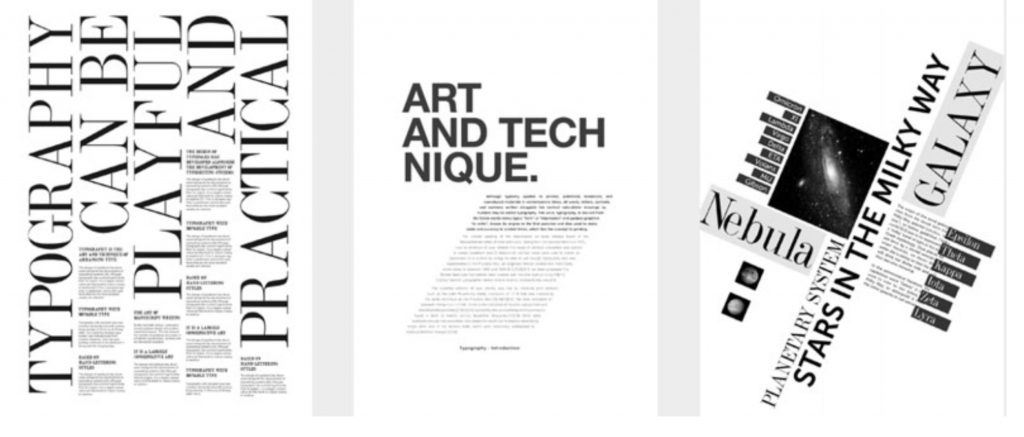
Repetition
This is a design lead that easily captures attention. It’s a tool that you can always utilize. What happens when viewers view the repetitive pattern is that their eyes will first trace the patterns to fully understand what’s happening.
Contrast
Another principle that designers tend to use a lot is contrast. This approach also helps in drawing the attention of viewers to the design, and it’s an approach that you should consider implementing when you create an emphasis principle of design.
Source: From Michael Darius via Dribbble
Where to Find Inspiration
Regardless of the type of design you want to create, one of the fundamental things every designer would need is resources where they can find design inspiration. The good thing is that today, the internet has all the design inspiration that you’ll ever want, and you only need to be able to access this information.
Whether you are an illustrator, UX designer, or graphic designer, you can be sure that you’ll find all the design inspiration you want online.
Here are some of the places you can check if you want design inspirations in which they have included emphasis principle of design in them:
- Behance: One of the first places that you might want to check for design inspiration is on Behance. This is a platform that is owned by Adobe and stays committed to helping designers from different parts of the world. On Behance, you can find different inspirations, all of which are from designers from different parts of the world.

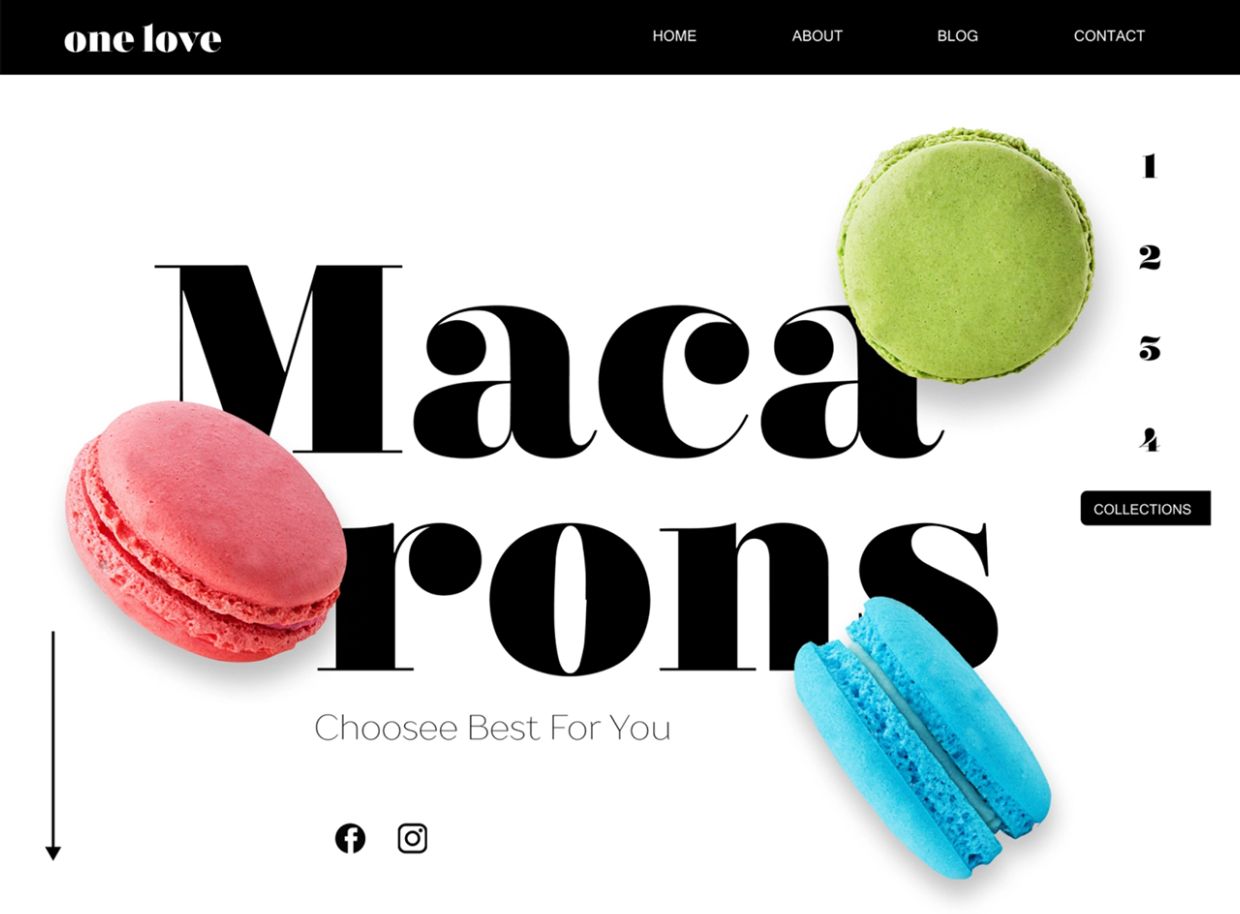
Source: From Abdul Iqram Via Behance - Dribble: This is also an amazing place to get inspiration from. The site shares some similarities with dribble, and it’s one of the most popular creative social networks in the world today. The site also makes it possible for creatives to upload their designs, and this serves as a source of inspiration for other people who are looking to create their own designs.
Source: From Dribbble - Pinterest: We can’t mention a list of places to get design inspiration from without mentioning Pinterest. The site shares some similarities with Instagram but has a search option that is more friendly and so much easier to use. It’s also one of the most incredible options to consider if you’re looking for any type of design inspiration.
There are so many other platforms online that allow people to get design inspiration from. Among these platforms, today include Freepik, Vecteezy, Canva, Shutterstock, and illustAC. There’s an unending list of these platforms today, and you might be wondering which one to stick to. We generally recommend illustAC for all the design inspiration that you want.
- illustAC: This is a fast-growing site where you can be sure to find the inspiration you need, regardless of the type of design you are working on. There are many reasons why we are recommending this option to you. The first thing to note about the site is that it has the most user-friendly interface, unlike the other options above. Another key thing to note is that you can’t run out of options with illustAC because designs are added to the platform every day.
Conclusion
We have covered everything that you should know about the emphasis principle of design. In this article, we have gone through the basic things you should know about the emphasis principle of design, including the steps to follow to help you create emphasis in design. In addition to that, we also covered some principles that will help you facilitate emphasis in your design.
Now you are ready to start creating emphasis in design. In addition to all the information above, we also provided a list of places where you can find inspiration. While there are different places where you can get inspiration from, we strongly recommend illustAC for its user-friendly platform and also because you can’t run out of options with illustAC.